Open Frame VS Enclosed Server Racks
If you have a busy office space or a business that moves a lot of data around, then having a server is often a necessary addition. They allow you to process, store and deliver data, services and applications to other devices over a shared network. A server can host websites, manage emails and even run online multiplayer games – basically anything that involves moving digital information between people and places.
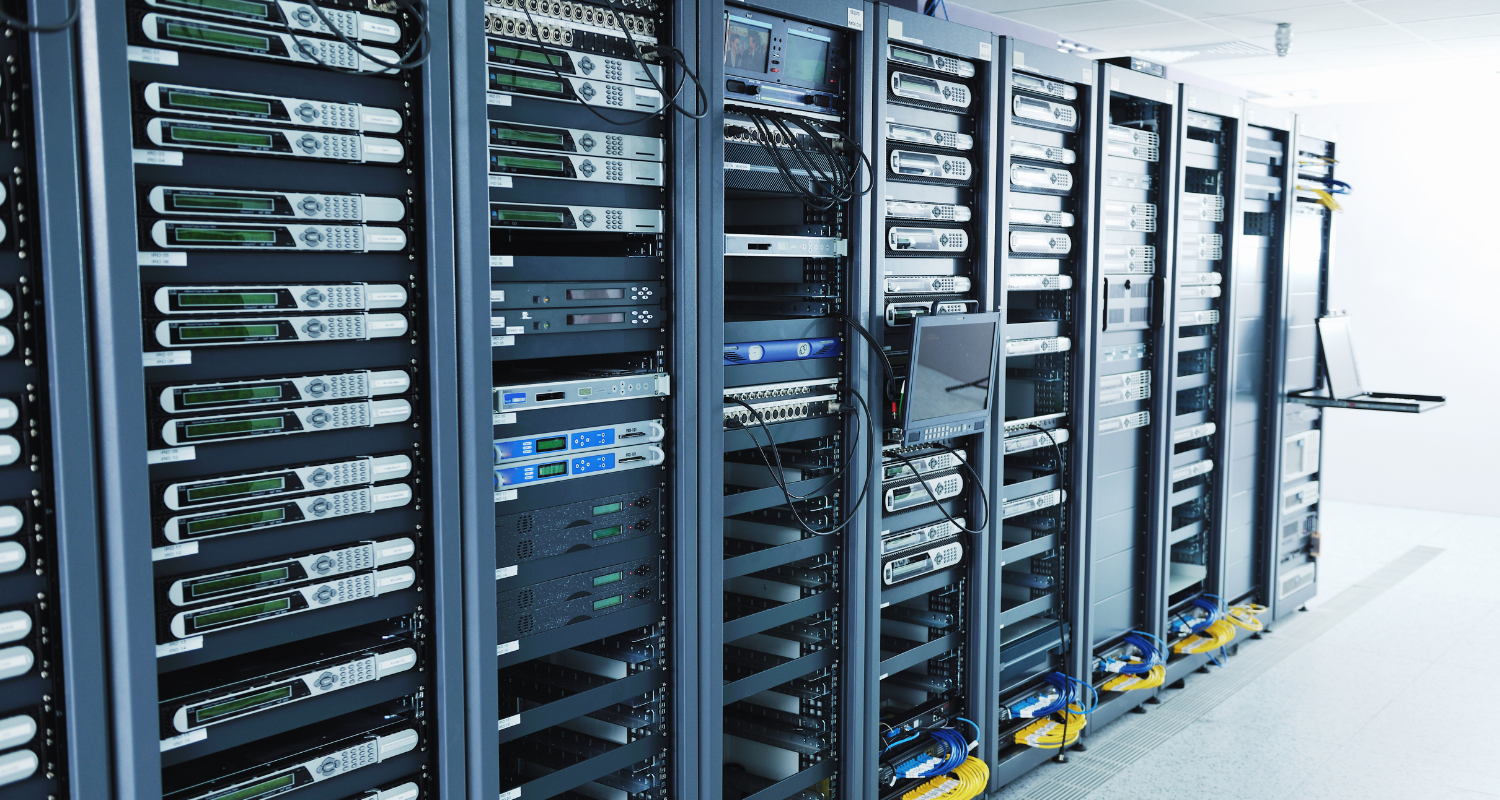
Housing a server requires a server rack, which is a metal frame used to hold, organize, and secure hardware, network switches and other IT hardware. A server rack saves floor space, protects equipment and keeps cables tidy. There are two types of server racks – open frame and enclosed.
What Is an Open Frame Server Rack?
An open frame server rack is a mounting system with two or four vertical metal posts designed to mount patch panels, servers and networking gear. Open frame server racks offer a flexible solution to server storage that’s easy to access, permits airflow and is cost effective. They can be free standing (Typically the case with heavier 4-post racks) or as with most 2-post racks they are lighter weight and wall mounted.
What Is an Enclosed Server Rack?
Like an open rack, an enclosed server rack is designed for mounting hardware like servers and networking equipment, however they are a closed cabinet, usually glass fronted with side panels, a top and bottom. The rear is often enclosed by an accessible door or panel with holes to allow cables through and for airflow. There are simple models and more advanced options with in-built cooling and other features.
Open Frame vs. Enclosed: How They Compare

Airflow and Cooling
Open Frame: Open to surrounding air which eliminates hot spots common to poorly ventilated enclosures.
Closed Frame: Front-to-back channels draw cool air in and vent warm air out. Cooling can also be enhanced with fan kits.
Physical Security and Access Control
Open Frame: Easy to reach ports, power supplies and cabling from any angle, but lacks doors or locks, so anyone can touch or tamper with the equipment. If components are fragile or the content you handle is sensitive, then an open rack leaves you vulnerable.
Closed Frame: Lockable doors and panels stop unauthorized people from touching or unplugging sensitive hardware. It adds a layer of security to your communications and stored data.
Dust, Debris and Environmental Protection
Open Frame: Components collect dust and are vulnerable to environmental conditions like ambient moisture or accidental spills. This can reduce the life of equipment and increase ongoing maintenance needs.
Closed Frame: Solid panels protect electronics from dust or dirt, or potential physical impacts. This means fans don’t get clocked or have to work harder to cool servers and other components.
Cost to Buy and Ship
Open Frame: Cheaper to manufacture due to fewer components and structural needs, plus being lighter weight the shipping costs are reduced. Installation can be fiddly, particularly if wall mounting is required.
Closed Frame: Increased build quality and componentry mean a greater cost to manufacture and ship. Often they come as a complete structure, meaning they have to be transported and installed as a whole, larger unit.
Cable Management and Accessibility
Open Frame: Easily accessible for maintenance and adding componentry, however they can look untidy as cables aren’t hidden from view.
Closed Frame: Hides messy cords with in-built vertical or horizontal channels, plus the door and side panels keep components out of view.
Noise Control and Placement
Open Frame: Typically requires wall mounting and can be noisy due to cooling fans and operational noises of components.
Closed Frame: Heavy doors and side panels reduce internal cooling fan and equipment noise, making shared work areas quieter.
Pros and Cons of Open Frame Racks

Open frame racks are a cheaper alternative with lower running costs and ease of access for maintenance, but this accessibility can reduce security. Open racks are susceptible to dust, may be noisy in small spaces, exposed cables can look untidy and the unit will possibly require wall mounting.
Pros and Cons of Enclosed Server Cabinets

Enclosed server racks offer a tidy, secure, sturdy and quiet system with minimal or no installation required. The cost is higher than open racks and accessibility is limited, but most are intuitively designed to allow for ease of installation and maintenance.
Open Frame vs. Enclosed Server Racks - Which is Right for You?
The ideal server rack for your situation will be determined by budget, space, size requirements and aesthetic preference. For smaller offices where the rack is within the shared working area, a closed rack is probably the best alternative as it will look better, be quiet and safe from environmental conditions like dust and moisture. However, if the rack is able to be within a separate machine room or storage area, an open rack may suffice as it will be safer from external influences.