

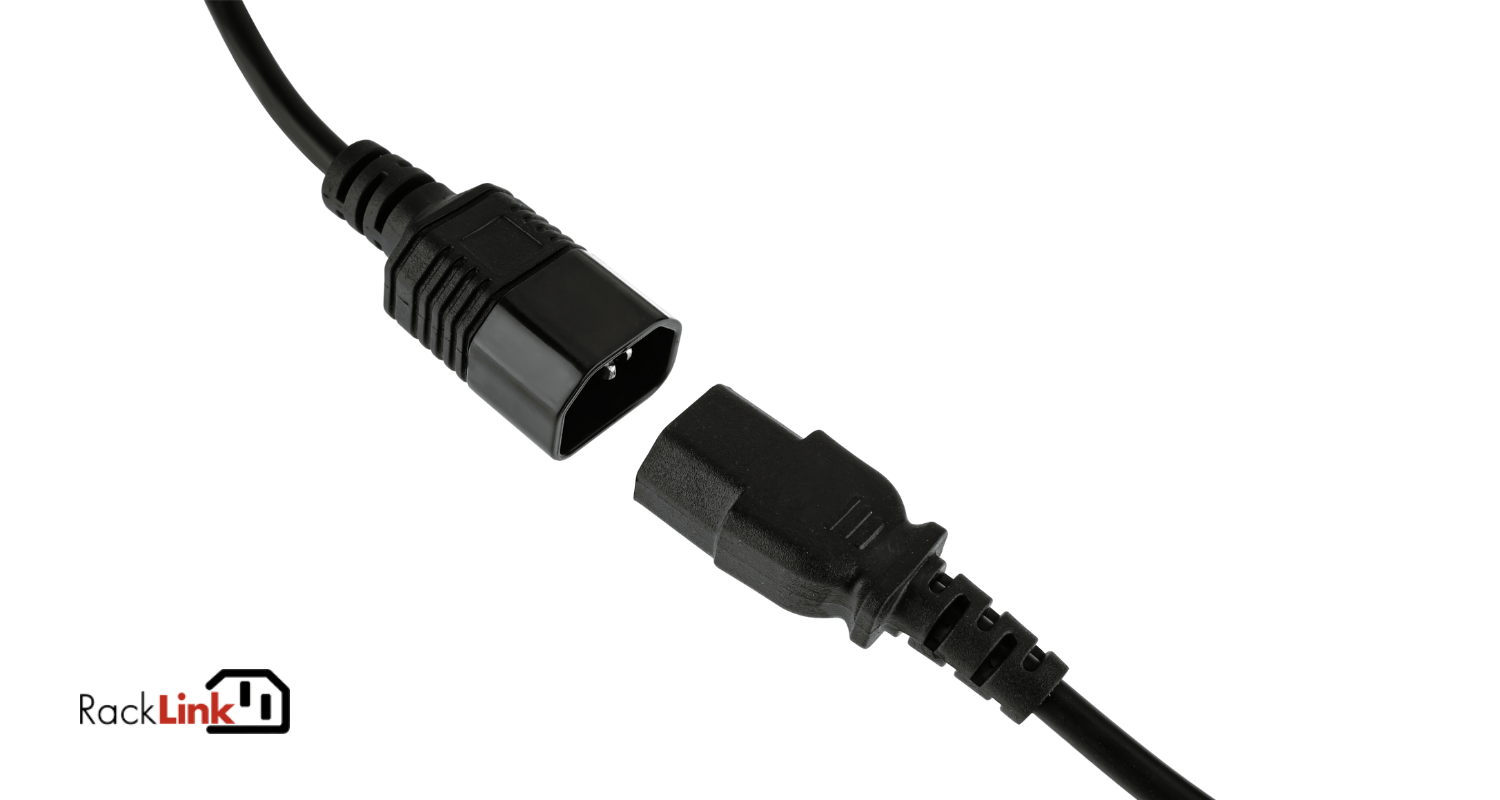
IEC Plugs & Connectors Guide (C5, C7, C13, C14, C19)
Posted by Racklink on Jan 14, 2026
IEC Plugs & Connectors Guide (C5, C7, C13, C14, C19)
In Australia, the AS/NZS 3112 is the standard for electrical power plugs and connections in products, devices, and buildings. However, household and commercial equipment from overseas will often come with IEC connectors that require specific adaptors to work.
The IEC 60320 standard allows manufacturers to modify appliance power cords to allow for commercial production across different markets.
Whether you are looking for a replacement IEC power plug or determining compatibility with current equipment, this guide covers the specifications for different IEC plugs and connectors, including C5, C7, C13, C14, C19.
The IEC 60320 Standard in Australia
The most commonly used IEC 60320 connections in Australia include:
- C5 plug and C6 inlet - also referred to as the ‘cloverleaf’ connector
- C7 plug and C8 inlet - sometimes referred to as the "figure-8" connector
- C13 plug and C14 inlet
- C19 plug and C20 inlet
C5 Plug and C6 Inlet
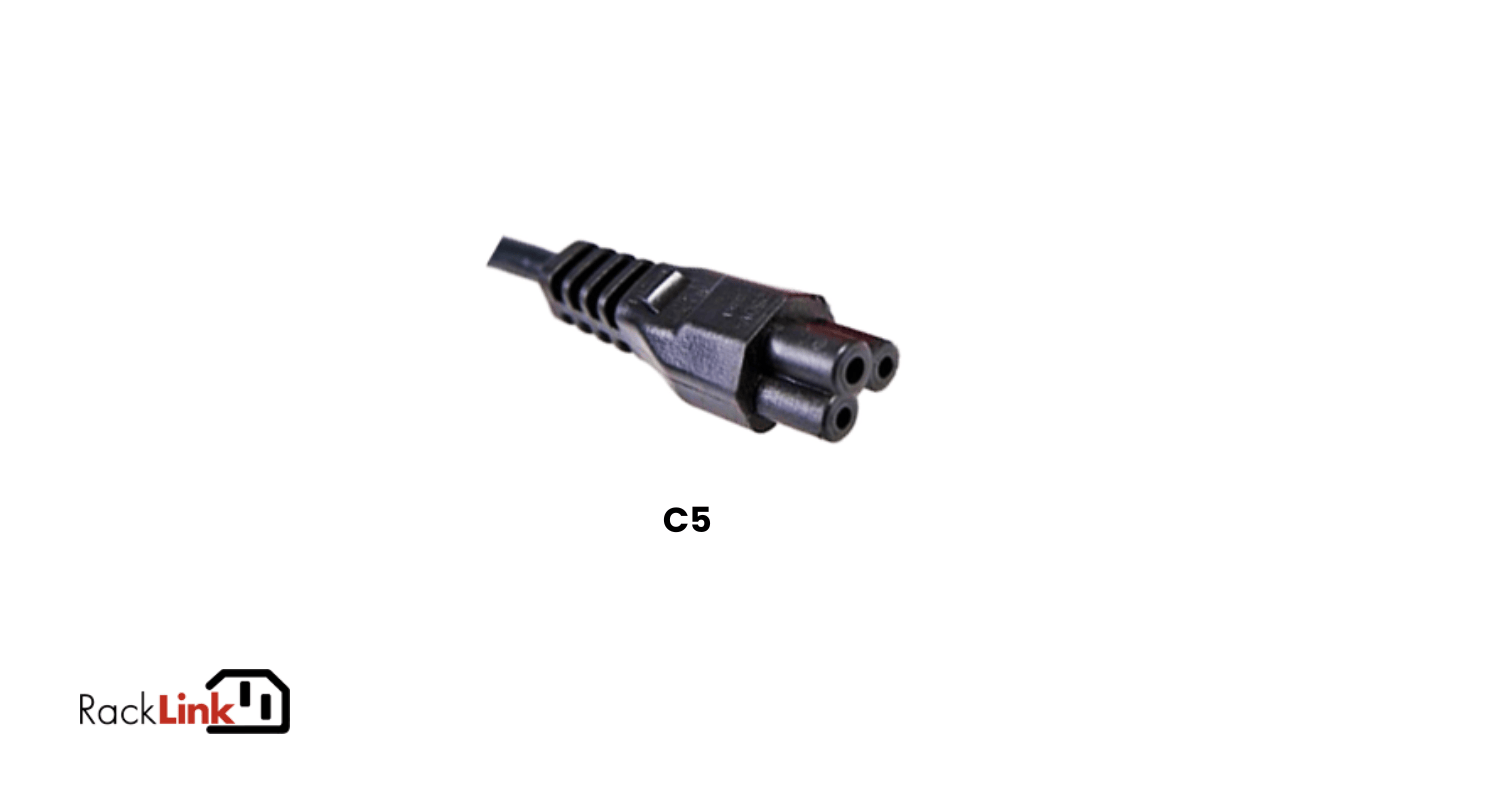
The IEC C5 and C6 connectors are recognisable for the 3-pin plug in the shape of a clover leaf. Used primarily for laptop chargers and other switched-mode PC power supply units, the IEC C5 and C6 connector has a maximum current capacity of 2.5A.
IEC C5 and C6 plugs and power cables feature single insulation and 3 cores. In Australia, they are used with compatible GPO outlets rated for 200-240V via a 3-pin plug (AS/NZS3112).
C7 Plug and C8 Inlet
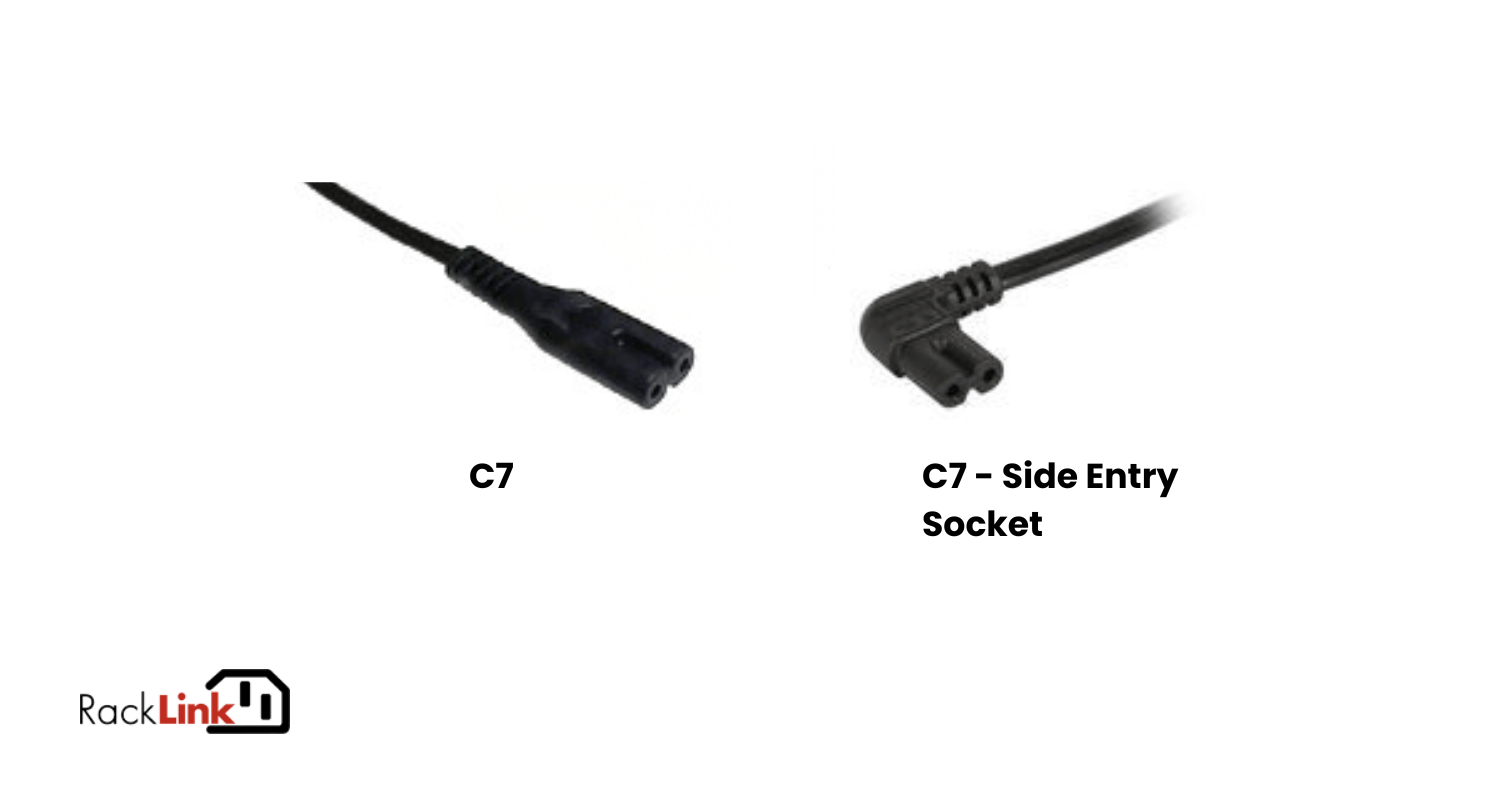
The C7 and C8 pairing is common in small household electronics. The plug has two rounded pins with no earth, which suits low-power draw devices such as DVD players, game consoles, radios, and compact audio equipment.
The C7 connector is rated for 2.5A and is double-insulated with a 2-core cable. Australian variants are fitted to a 2-pin AS/NZS3112 plug when sold with appliances, though imported units frequently arrive with foreign plug types that need an adaptor.
C13 Plug and C14 Inlet
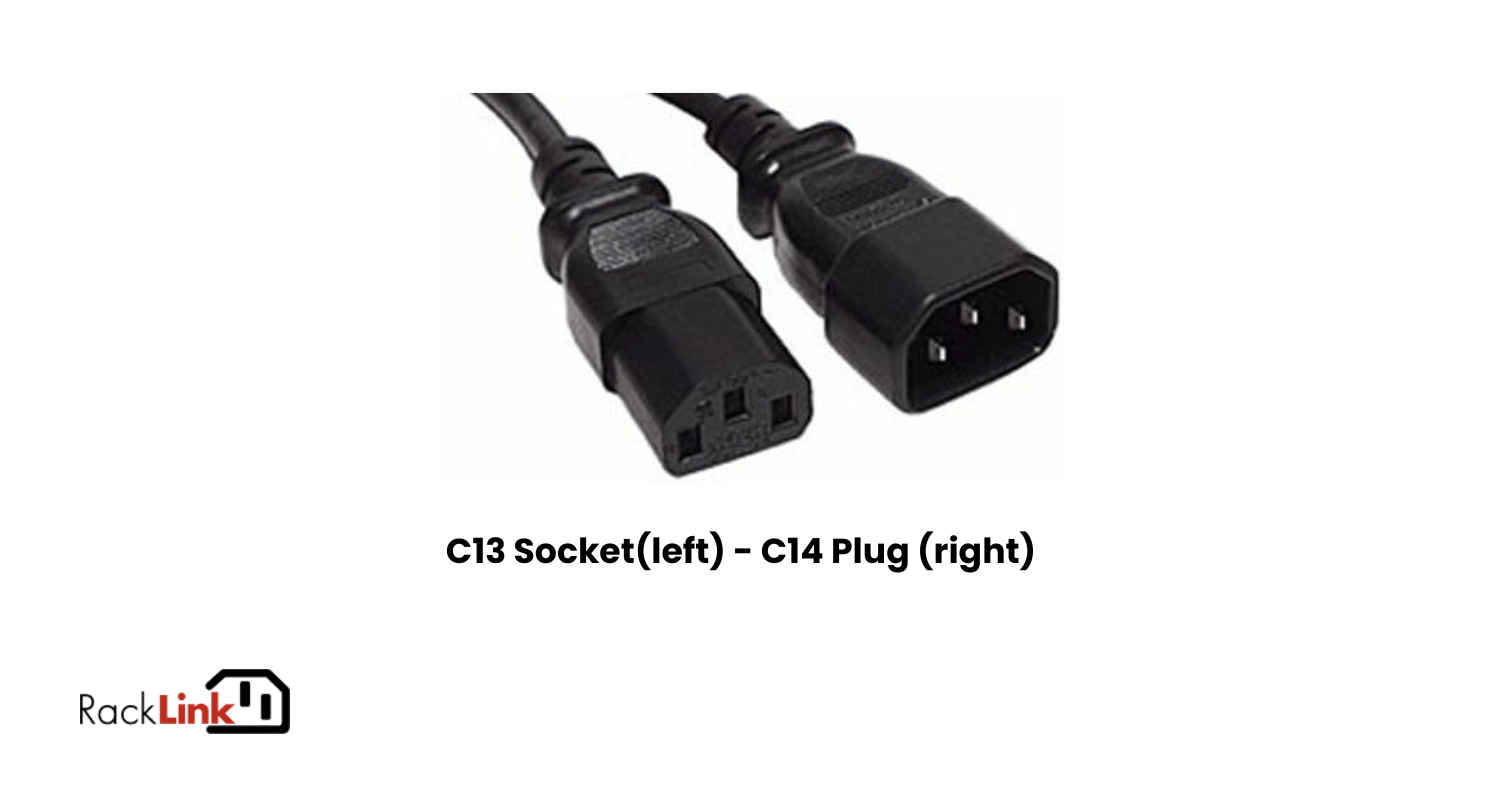
This connector is the most commonly used IEC connection for desktop computers, monitors, printers, office equipment, and different types of server racks.
The C13 plug has three rectangular pins and is connected to a C14 inlet, typically located on the appliance’s rear power panel.
The C13 cable is rated at 10A and features 3-core construction and single insulation. In Australia, they are typically associated with a 3-pin mains plug for workplace, home office, and commercial fitouts.
C19 Plug and C20 Inlet
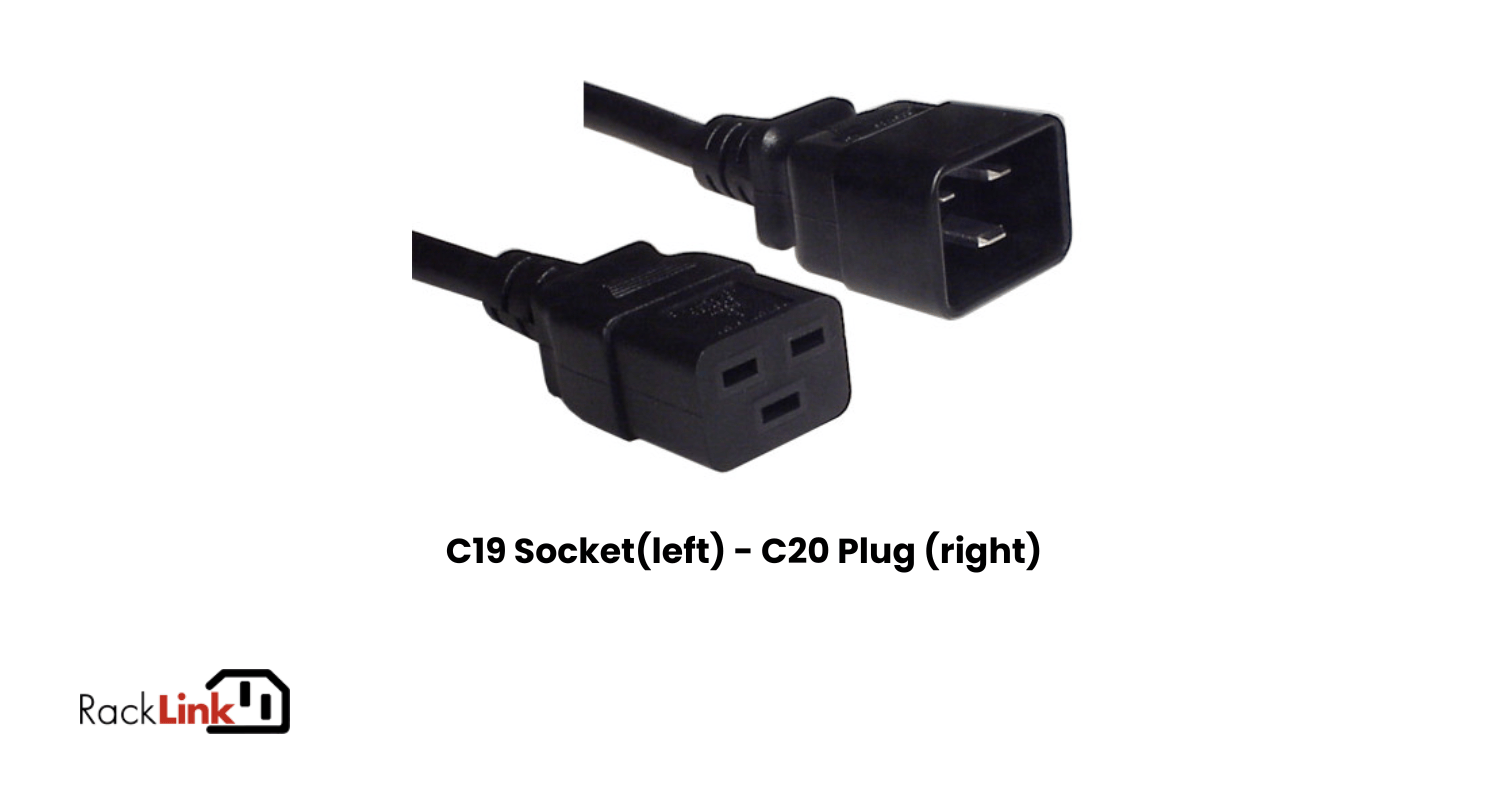
The C19 and C20 connectors are similar to the C13 and C14 connections but are designed for equipment that draws high power and is often used commercially. IEC C19 and C20 connections are primarily intended for use in server farms, data centres and PDUs.
The C19 plug features 3-core construction with a maximum current rating of 16A. The higher current rating is the main point of difference for IEC C19 devices and power cables, as the equipment it is designed to support requires a consistent and stable power supply.
Where to Find Custom IEC Plugs and Power Cables
Replacement power cables and plugs for IEC-compatible equipment can be obtained from the device’s manufacturer - but doing so can be expensive and time-consuming. For extensive equipment setups like in industrial data centres and telecommunications arrays, custom IEC cables and plugs are the optimal solution for efficiency and reliability.
As a local rack-mounted equipment supplier in Australia, RackLink can design and manufacture custom power cables and connections across IEC C13, C14, C15, C19, C20, and C21. We can produce cables in lengths of up to 25 metres in various colours for easy organisation and classification. We also supply IEC connectors with locking capability that prevent accidental disconnections, and captive sockets compatible with 'Clipsal' industrial connectors.